
Why Some Texas Communities Need Flood Control Districts
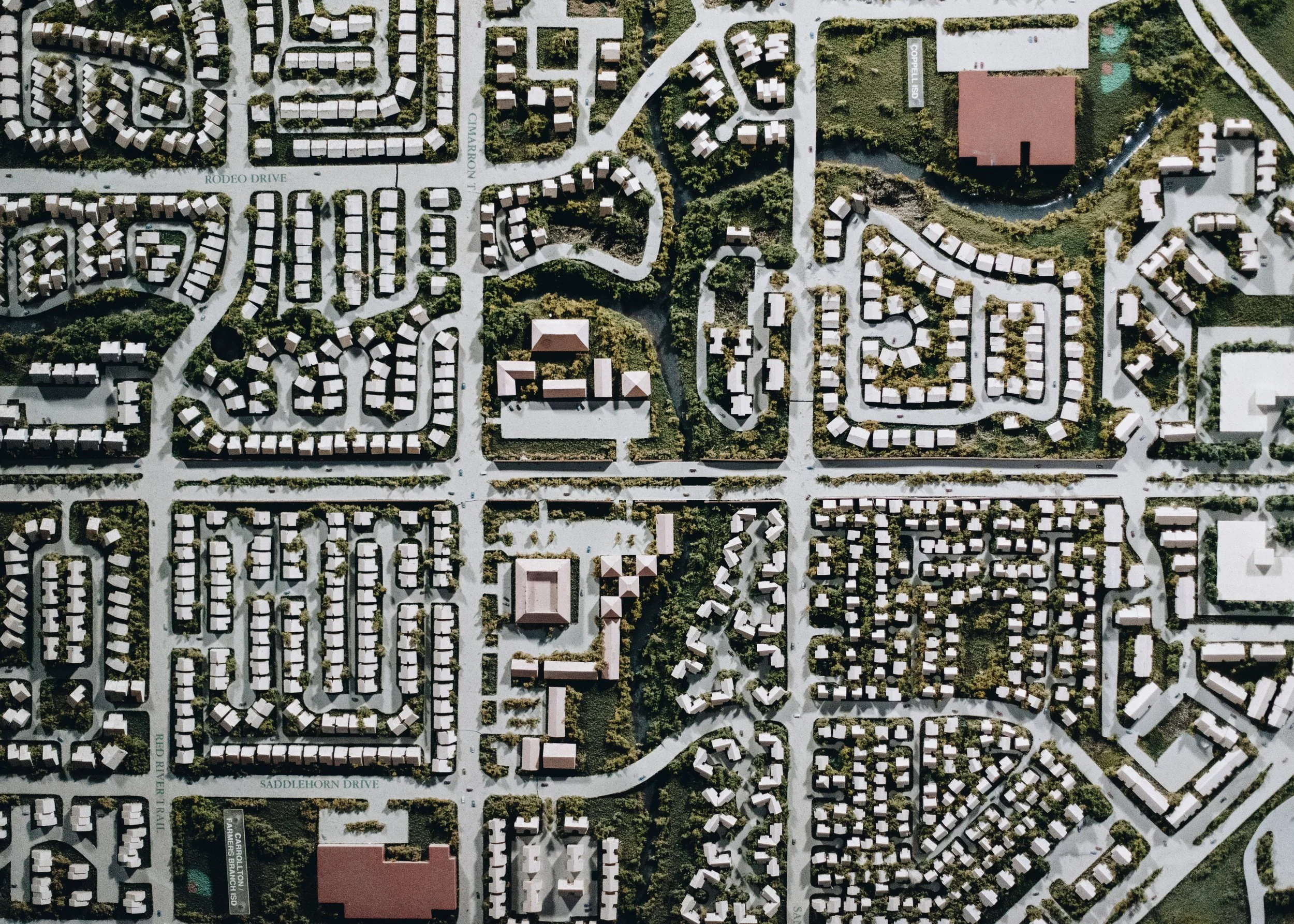
A birdseye view of IFCD 3’s service area of the Valley Ranch community of Irving, Texas
Across Texas, local governments are responsible for a wide range of common services - from repairing roads and maintaining parks to managing stormwater drainage. But, when it comes to flood control, it’s not a one-size-fits-all approach.
So, why do some Texas communities, including Valley Ranch, have dedicated flood control districts?
The answer: location and flood risk.
Communities near major rivers, watersheds and coastal areas face higher risk of flooding and related challenges. Their location naturally places them in the path of rising water levels and increased water flow during storm events. To protect these areas, expert flood control planning, monitoring and infrastructure are needed beyond the typical public services.
In our case, the Valley Ranch community in Irving, Texas, is located at the Elm Fork of the Trinity River. Our proximity elevates the threat of rising water levels from both local rainfall and water flowing downstream.
That’s why, in 1983, the Texas Legislature established Irving Flood Control District, Section III (IFCD 3), as a requirement to build the new Valley Ranch master planned community. IFCD 3 is a locally governed special purpose district charged with building and maintaining a system of canals, levee and pump station to protect Valley Ranch from flooding.
And Valley Ranch isn’t alone. These Texas communities also are protected by dedicated flood control districts:
Las Colinas - Irving Flood Control District, Section I, established in 1971
Grand Prairie - Dallas County Flood Control District #1, established in 1983
Coppell - Northwest Dallas County Flood Control District, established in 1985
Houston Metro - Harris County Flood Control District, established in 1937
While most communities in Texas don’t require dedicated districts, they’re all focused on the same thing: keeping a healthy relationship between the community and the water that surrounds it.
To stay up to date on IFCD 3’s latest activities and learn more about our projects, follow us on Facebook.